
Sydney is busy, and dental care is one of those things that’s easy to push down the list until it suddenly isn’t. A broken filling on a Friday afternoon, a toothache before a flight, or a kid’s complaint that starts as “a bit sore” can turn into a scramble for an appointment and a decision made under pressure.
Choosing a clinic ahead of time is less about “finding the best dental clinic for families in North Sydney area” and more about setting yourself up for calm, repeatable routines. When you know where you’ll go, what to expect, and how to prepare, you can make better decisions and avoid the snowball effect of delays.
Why “I’ll deal with it later” tends to backfire
Most people don’t avoid the dentist because they don’t care. They avoid it because it’s inconvenient, uncertain, or anxiety-inducing, and there’s always something more urgent today.
The catch is that dental issues often don’t announce themselves loudly at the start. Small cracks, early decay, gum inflammation, and bite changes can sit in the background until they cross a threshold where the options narrow.
A calmer approach is to treat dentistry like servicing a car: routine check-ups catch problems early, and emergencies become rarer, not a lifestyle.
What a good first appointment usually looks like
A first visit is often more straightforward than people imagine, especially when the goal is to establish a baseline.
In most clinics, the first appointment commonly includes a conversation about your history and concerns, an examination, and a plan for next steps. If X-rays are needed, you’ll usually be told why, what they show, and how they inform treatment options.
Before you arrive, make note of anything that’s changed recently: sensitivity, bleeding gums, jaw clicking, headaches on waking, or a filling that feels “high”. These details help a clinician connect symptoms to likely causes.
If you have private health cover, it’s worth bringing your card or having the details ready, and if you have previous records or past treatment notes, those can help create continuity.
Decision factors that matter when choosing a clinic
It’s easy to compare clinics by surface signals like a polished website or a list of services, but the most useful comparison points are about process and fit.
Start with access and logistics. How easy is it to book? Are there appointment times that match your work or school schedule? Is parking straightforward or public transport practical? A clinic you can reliably get to tends to become the one you’ll actually attend.
Look for clarity in communication. You want a clinician who explains options in plain language, outlines trade-offs, and checks understanding. A good sign is when you’re encouraged to ask questions and you don’t feel rushed.
Ask how treatment plans are prioritised. Not everything needs to be done immediately, and not everything should be bundled together. A sensible plan separates urgent needs from “nice to do soon” items, and it should align with your budget and time.
Consider comfort and anxiety support. If you’re nervous, ask what the clinic does for anxious patients: slower pacing, breaks, clear step-by-step explanations, or particular appointment times when the clinic is quieter.
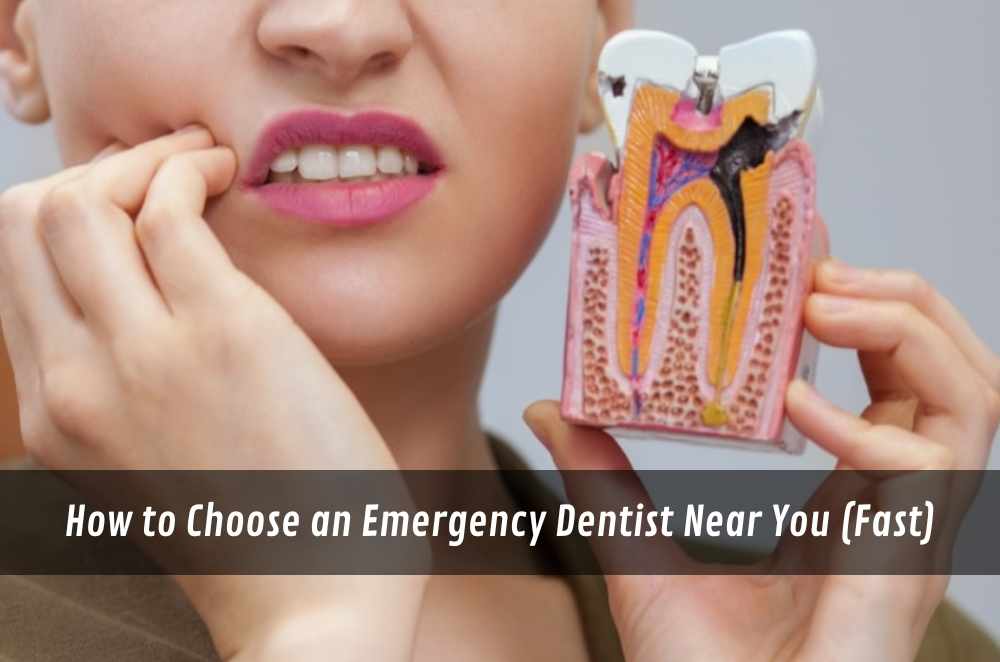
Know how emergencies are handled. You’re not looking for a promise, but it’s reasonable to ask what happens if you have sudden pain or a breakage and need advice quickly—especially when you’re trying to find a local emergency dentist close by in Sydney you can trust.
If it helps to see what information is typically requested and how to get started, the Marsfield Dental Care new patient guide is a useful reference point.
Common mistakes people make (and how to avoid them)
Mistake 1: Choosing on price alone. A low upfront fee can hide a rushed experience or unclear planning, while higher fees don’t automatically equal better care; focus on transparency and process instead.
Mistake 2: Not mentioning “small” symptoms. Bleeding gums, sensitivity, and jaw tension can be early warning signs; say them out loud even if they feel minor.
Mistake 3: Agreeing to a plan you don’t understand. If you can’t explain the “why” of a procedure back in your own words, ask for a simpler explanation and written options.
Mistake 4: Waiting until pain forces the decision. Urgent decisions reduce choice and increase stress; a preventative rhythm keeps you in control.
Mistake 5: Forgetting the basics between visits. Consistent home care is the backbone; appointments should reinforce good habits, not replace them.
Operator Experience Moment
I’ve noticed that the smoothest dental journeys usually start with a boring decision: picking a clinic before anything hurts. When people do that, they show up calmer, ask better questions, and follow through more consistently. The most common turning point is simply understanding the plan and the order of priorities.
A simple 7–14 day plan to get on top of things
Day 1–2: Pick the clinic you can actually get to. Choose based on access, booking ease, and communication style, not perfection.
Day 3–4: Book a baseline appointment. Ask what’s included and what you should bring, and mention any anxiety or time constraints upfront.
Day 5–7: Prepare a short “dental notes” list. Write down symptoms, meds, allergies, previous dental work, and questions (even if they seem basic).
Day 8–10: Reset the home routine. Commit to brushing twice daily, cleaning between teeth daily, and reducing frequent sugary snacks and drinks.
Day 11–14: Review the plan after your visit. If treatment is recommended, ask what’s urgent vs optional, what alternatives exist, and how timing affects outcomes.
Local SMB mini-walkthrough (Sydney)
If you run a small business in Sydney, dental issues don’t just hurt — they disrupt rosters, client meetings, and sleep.
Start by choosing a clinic near your regular travel corridor (home–office–school), not “nearby in theory”.
Book early-week morning appointments so urgent follow-ups don’t spill into weekends.
Keep a shared “health admin” note for your household so past treatments, insurer details, and allergies are easy to find.
If you employ staff, normalise taking medical appointments without stigma — prevention reduces last-minute absences.
After the first visit, schedule the next check-up before you get busy again.
Practical Opinions
Prioritise predictability over perfection.
If you feel rushed, treat that as data.
A clear plan beats a long list of procedures.
Key Takeaways
Choose a clinic based on access, communication, and a sensible prioritised plan.
A first appointment should establish a baseline and give you options you can understand.
Avoid last-minute decisions by booking before pain forces urgency.
Small symptoms matter; mention them early to keep options open.
Use a simple 7–14 day plan to move from reactive to routine.
Common questions we hear from businesses in Sydney, Australia
Q1) How often should adults book a check-up?
In most cases, a clinician will suggest a regular interval based on your risk factors (like gum health, past decay, or grinding). A practical next step is to book a baseline check-up and ask what recall schedule makes sense for your mouth. In Sydney, work commutes and school calendars can make it easier to lock in appointments well ahead.
Q2) What if I’m anxious or haven’t been in years?
Usually, the best approach is to say that upfront so the appointment can be paced appropriately and explained step by step. A practical next step is to request a longer first visit and bring a short list of fears or triggers (needles, sounds, gag reflex). In most cases, clinics in Sydney are used to seeing busy people who’ve delayed care and can tailor the experience without judgement.
Q3) How do I know if a recommended treatment plan is reasonable?
It depends on what’s been found and how urgent it is, so ask for the “why”, the alternatives, and what happens if you wait. A practical next step is to request the plan in writing with prioritised stages, so you can decide over time rather than on the spot. In Sydney, where schedules and budgets can shift month to month, staged plans can be easier to follow through on.
Q4) Should I see someone immediately for tooth pain?
Usually, sudden or worsening pain, swelling, fever, or difficulty opening your mouth is a reason to seek prompt professional advice. A practical next step is to call a clinic and describe the symptoms clearly, including how long they’ve been present and what makes them better or worse. In most cases, getting guidance early in Sydney helps you avoid weekend escalation when options can be limited.





Write a comment ...