
Tooth damage sneaks up on anyone — a chipped molar, a cracked crown, or a worn-down chewing surface that suddenly aches when you sip coffee. When that happens, the right dental crown fixing service matters more than ever. A solid crown brings back bite strength and a bit of peace of mind — you can eat, talk, even laugh without thinking about it. It’s not just patching over a problem; it’s giving a tired tooth a bit of backbone again. Leave it too long and cracks spread, sometimes fast. Fix it early and you’ll keep more of your own tooth and skip the bigger bills later. Simple as that, really.
How does tooth crown repair actually work?
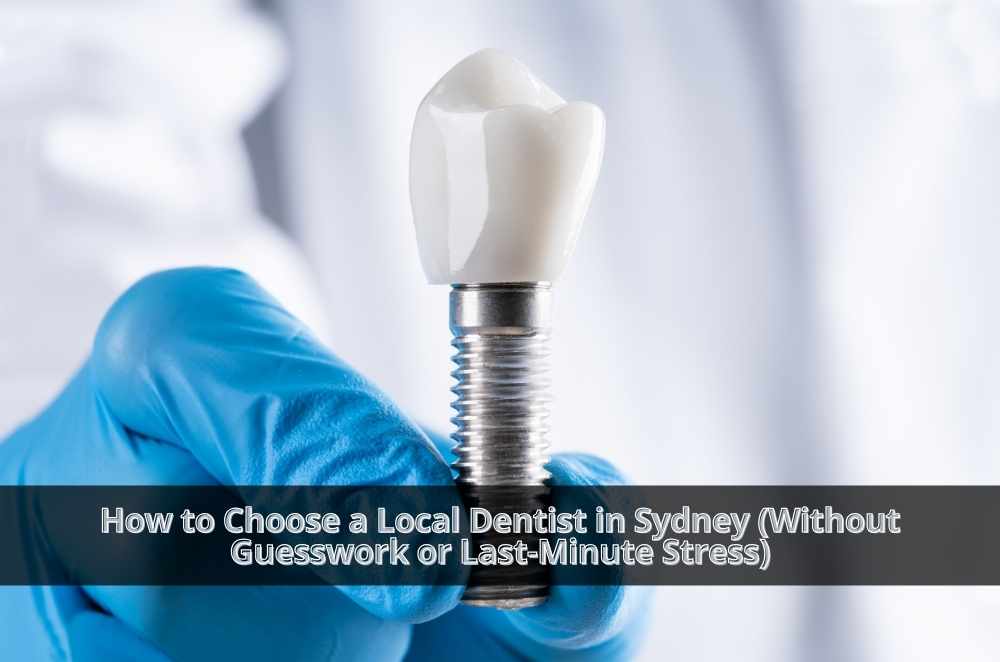
Tooth crown repair usually kicks off with a good look at what’s already there. The dentist checks if the old crown’s still pulling its weight or if it’s time for a new one. They’ll test the bite, look for gaps, and make sure the tooth underneath hasn’t taken a hit. From there, it’s hands-on. The worn crown’s been taken off and the tooth’s been cleaned up before getting a quick scan or mould to capture the shape.
Materials can be matched to nearby teeth
Modern cements improve comfort and durability
Many cases finish within one or two visits
Consistent hygiene stretches a crown’s lifespan
Some clinics can whip up a fresh crown on the spot; others pop on a short-term one while the lab works its magic. Once it’s fitted, the dentist checks that your bite feels easy and natural, not forced or uneven — a small but clear reminder of the real importance of dental care, where comfort, precision, and long-term oral health all come together.
When is the right time for crown replacement?
The right time for crown replacement is when it loosens, cracks, leaks, or stops protecting the tooth. Putting it off risks decay, sensitivity, and gum flare-ups that are harder and pricier to fix later. A quick assessment separates minor polishing from a full swap.
Replace crowns that chip or move
Treat soreness or temperature sensitivity
Book checks if you clench or grind
Crowns wear differently depending on bite force, grinding, and diet. If food snags at the edge, the margin looks dark, or tenderness lingers, act early. You’ll avoid heavier work like root canals or extractions and keep a more natural structure in play.
What should you do after getting a new crown?
Once your new crown’s in, give it a bit of breathing room. A day or two on softer food won’t hurt — it helps everything settle and keeps pressure off while the cement sets.
When you floss, slide the string through instead of snapping it down, and keep it gentle near the gums. If you tend to grind in your sleep, get a guard — seriously, it saves you from doing the same repair twice. Stick with those habits, and soon enough, you’ll forget there’s even a crown there.
Conclusion
Reliable crown repair isn’t just about looks — it’s about keeping your mouth steady for the long run. A good fix brings back balance and comfort, so you can chew and smile without second-guessing it. Following the dentist's tips for chipped crowns can also help you prevent further damage and maintain lasting comfort. Stay on top of your check-ups, and those little problems won’t turn into expensive ones later. It’s the quiet kind of maintenance that pays off every single day.





Write a comment ...